
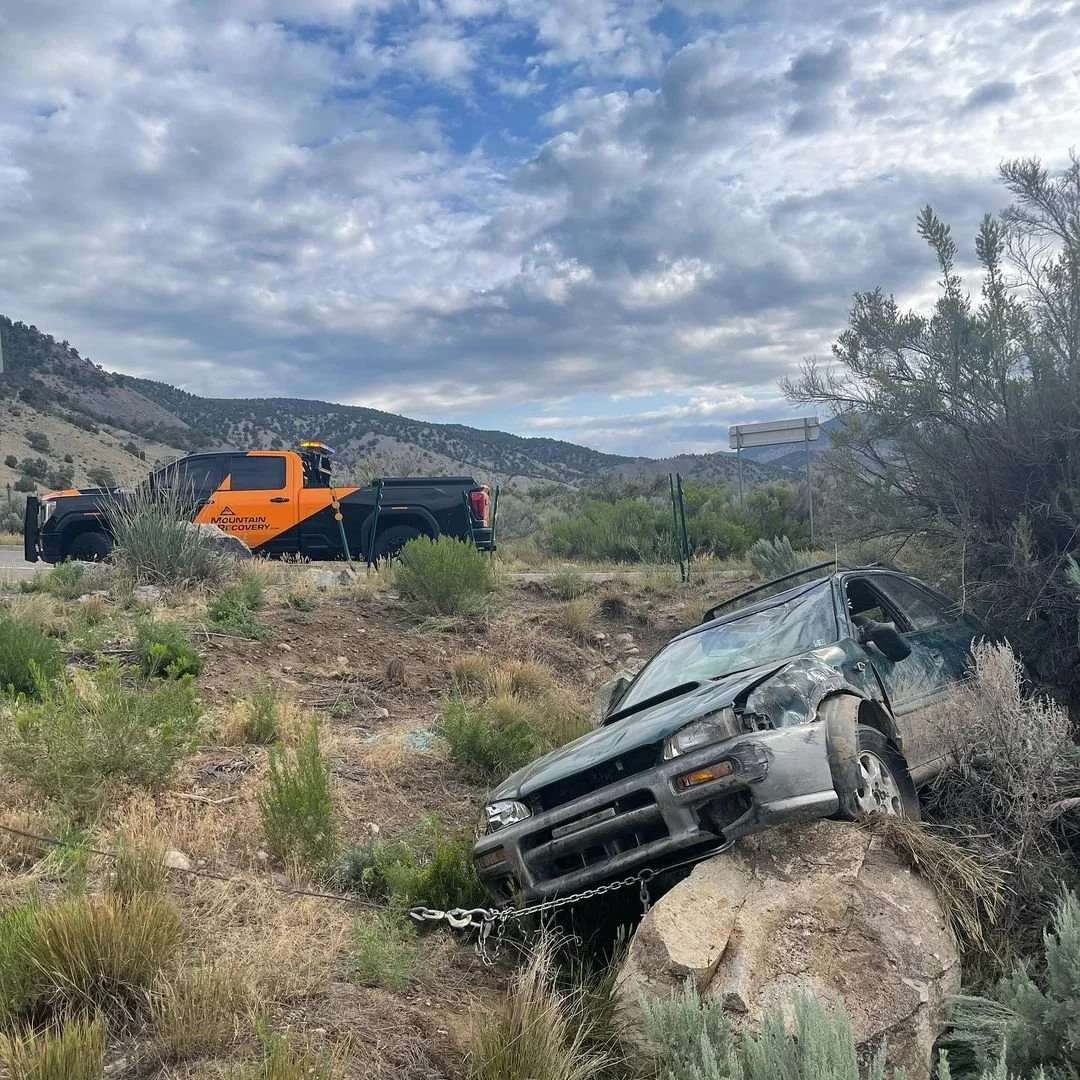
COLORADO EMERGENCY RESPONSE
24/7 EMERGENCY RESPONSE IN COLORADO
Mountain Recovery Road Solutions provides 24/7 emergency response and vehicle recovery across Colorado. Our operators respond to collisions, rollovers, off-road incidents, winch-outs, disabled vehicles, roadway hazards, and difficult recovery scenes along I-70, mountain corridors, local roads, and surrounding communities.
COLORADO EMERGENCY RECOVERY, READY 24/7.
EMERGENCY RECOVERY BUILT FOR COLORADO
When a vehicle is overturned, off the roadway, stuck in a difficult position, or involved in a collision, Mountain Recovery Road Solutions is ready to respond. Our experienced operators provide 24/7 emergency recovery across Colorado mountain communities, local roads, and major I-70 corridors.
From rollovers, ditch recoveries, and controlled winch-outs to collision scenes, unstable vehicles, roadway hazards, and difficult mountain-road positions, we match each incident with the proper recovery equipment, rigging, support units, and crew.
CALL 24/7: (970) 476-1124
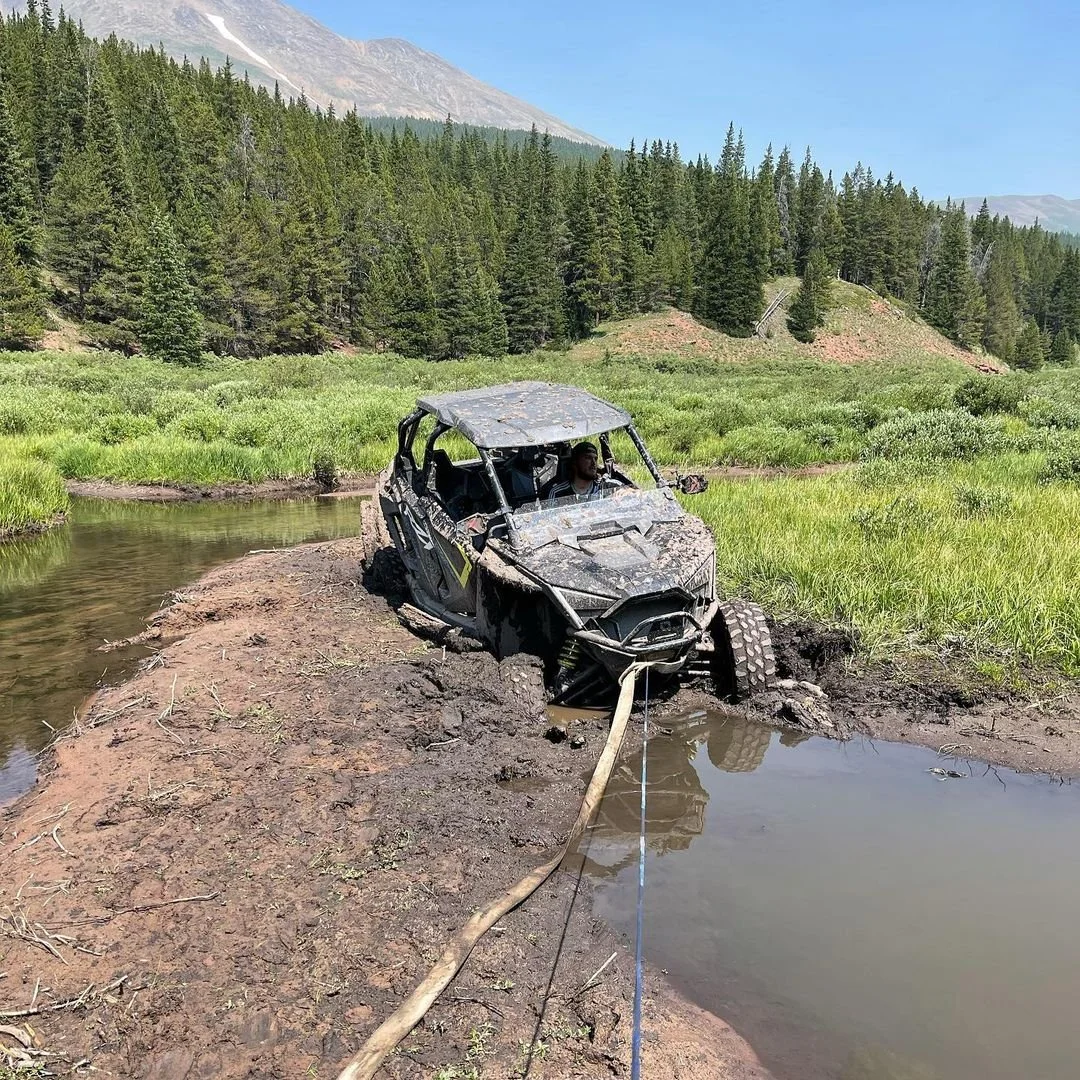
24/7
Always Available
Emergency Response
Colorado & I-70 Corridors
Recovery Ready
Rollovers, Ditches & Winch-Outs
Incident Support
Drivers, Fleets & Agencies
OUR
SERVICES
VEHICLE TOWING
Cars, SUVs, vans
& light-duty towing
HEAVY-DUTY TOWING
Heavy trucks, buses
& equipment
ROADSIDE ASSISTANCE
Lockouts, jump starts,
tires & fuel delivery
EMERGENCY RECOVERY
Accidents, winch-outs
& slide-offs
TRANSPORTATION
Vehicle, equipment
& specialty hauling

ENVIRONMENTAL
Spill response
& scene support
INCIDENT RECOVERY FOR COLORADO ROADS & MOUNTAIN CORRIDORS
24/7 EMERGENCY RECOVERY ACROSS COLORADO.
Emergency recovery begins with understanding how the vehicle is positioned, what is unstable, and which hazards surround the scene. Mountain Recovery Road Solutions responds to overturned vehicles, collision damage, ditch and embankment incidents, off-road vehicles, blocked roadways, and equipment that cannot be moved with a routine tow.
Dispatch gathers details about the vehicle, road position, terrain, traffic exposure, occupants, cargo, fluid leaks, weather, access, and whether law enforcement, fire, highway personnel, or another agency is already on scene. That information helps determine the wreckers, rigging, support units, lighting, containment materials, and crew needed before equipment begins moving.
Mountain Recovery supports emergency recovery calls near Denver, Golden, Silverthorne, Frisco, Breckenridge, Copper Mountain, Vail, Avon, Eagle, and Gypsum. Response timing depends on access, closures, weather, traffic, incident complexity, equipment requirements, and current call volume.
Recovery work may also require vehicle towing, heavy-duty towing, cargo handling, environmental response, or transportation services after the vehicle is stabilized and removed from the hazard area.

OUR EMERGENCY RECOVERY PROCESS
INCIDENT LOCATION & HAZARD DETAILS
Provide the road, direction, nearest exit or landmark, vehicle type, final position, visible damage, occupants, traffic exposure, terrain, weather, leaks, cargo, and whether emergency agencies are already present.
RECOVERY EQUIPMENT & CREW ASSIGNMENT
Dispatch selects wreckers, rotating recovery equipment, support trucks, rigging, lighting, containment materials, traffic-support resources, and additional operators based on the incident and access conditions.
STABILIZATION, RIGGING & MOVEMENT PLAN
The crew evaluates anchor points, slope, vehicle balance, structural damage, ground conditions, traffic lanes, lifting angles, spill risk, and the sequence needed to control each movement before tension is applied.
RECOVERY, CLEARANCE & DESTINATION
The vehicle is stabilized, winched, uprighted, lifted, or repositioned as required. Crews then prepare it for towing or transport and coordinate debris, cargo, spill, or roadway clearance needs connected to the incident.
COLORADO EMERGENCY RECOVERY SERVICES
- Rollover & Overturn Recovery
- Collision-Damaged Vehicle Recovery
- Off-Road, Ditch & Embankment Recovery
- Controlled Winch-Outs
- Vehicle Stabilization & Uprighting
- Blocked-Roadway Vehicle Removal
- Passenger & Commercial Vehicle Recovery
- Steep-Slope & Difficult-Access Recovery
- Complex Rigging & Controlled Lifting
- Cargo Shift & Load Support
- Spill Containment & Cleanup Support
- Post-Recovery Transportation
EMERGENCY RECOVERY FAQs
VIEW ALL FAQsIs emergency recovery available 24 hours a day?
Yes. Mountain Recovery provides 24/7 dispatch for vehicle recovery, accident scenes, rollovers, off-road incidents, winch-outs, and related emergency support across its Colorado service area.
What information should I give dispatch?
Provide the exact location, vehicle type, position, damage, terrain, weather, traffic exposure, occupants, cargo, fluid leaks, and whether police, fire, highway personnel, or another agency is already on scene.
Can Mountain Recovery recover vehicles below the roadway?
Many ditch, embankment, slope, and off-road incidents can be handled with controlled winching, stabilization, rigging, anchor points, and equipment selected for the vehicle and terrain.
Why can an emergency recovery require several units?
Multiple units may be needed to control separate vehicle movements, maintain stability, manage traffic exposure, support lifting or rigging, contain fluids, handle cargo, or clear the roadway safely.
Can dispatch provide an arrival window and estimate?
Dispatch can provide an estimated arrival window and an initial service estimate using the information available. Access, weather, closures, equipment, labor, damage, and recovery complexity can affect timing and final charges.
COLORADO INCIDENT RECOVERY CAPABILITIES
PLANNED AROUND THE SCENE, NOT A GENERIC TOW
Recovery conditions change from one incident to the next. Vehicle position, terrain, road width, traffic, weather, structural damage, cargo, fluids, and agency requirements determine how the scene is stabilized and which movements can be completed safely.
I-70 & MOUNTAIN-CORRIDOR RECOVERY
Mountain Recovery supports incidents near Golden, Silverthorne, Copper Mountain, Vail, Avon, and Eagle, subject to road access, closures, weather, equipment availability, and current call volume.
ROLLOVER & OVERTURN RECOVERY
Uprighting work may require stabilization, controlled lifting, rigging from multiple points, cargo evaluation, fluid management, separation of connected units, and a planned landing position.
COLLISION & DAMAGED-VEHICLE RECOVERY
Collision damage can affect steering, suspension, wheels, frame structure, attachment points, driveline components, glass, fluids, and the ability to move the vehicle normally.
DITCH, EMBANKMENT & STEEP-SLOPE RECOVERY
Vehicles below the shoulder or on unstable terrain may require multiple anchor points, controlled winching, ground assessment, stabilization, slope management, and additional support equipment.
WINTER & LOW-TRACTION INCIDENTS
Snow, ice, soft shoulders, chain conditions, cold temperatures, limited visibility, and steep grades can change equipment access, anchor options, stopping distances, and the recovery sequence.
SPILL, DEBRIS & ROADWAY CLEARANCE SUPPORT
Fuel, oil, coolant, broken parts, cargo, and other debris may require containment, cleanup coordination, load handling, or support from the environmental response team.
COORDINATED RECOVERY & INCIDENT SUPPORT
CAPABILITIES THAT EXTEND BEYOND WINCHING THE VEHICLE
Emergency recovery can involve more than moving a disabled vehicle. Some scenes require simultaneous stabilization, lifting, towing, cargo management, spill control, transportation, traffic coordination, and communication with fleets or public agencies.
PASSENGER VEHICLE RECOVERY
Cars, pickups, SUVs, vans, and other passenger vehicles can be recovered from collisions, shoulders, medians, ditches, slopes, snow, soft ground, and other difficult positions.
COMMERCIAL & FLEET INCIDENT RECOVERY
Work vehicles, fleet units, box trucks, buses, RVs, tractors, trailers, machinery, and other commercial equipment may require heavier wreckers, additional rigging, or multiple units.
ROTATING RECOVERY & COMPLEX RIGGING
Rotating recovery equipment and specialized rigging may be used for controlled lifting, restricted access, steep slopes, unstable vehicles, rollovers, and incidents with limited space.
CARGO & LOAD MANAGEMENT
Shifted, damaged, exposed, or unstable cargo may need containment, repositioning, transfer, unloading, or palletization through our cargo handling services.
POST-RECOVERY TOWING & TRANSPORT
After removal from the hazard area, damaged or disabled vehicles may need vehicle towing, heavy-duty towing, or specialized transportation.
FIRST RESPONDER & ROADWAY COORDINATION
Operators can coordinate with law enforcement, fire departments, highway personnel, fleet managers, environmental crews, property owners, and other agencies involved in the incident.
COLORADO EMERGENCY RECOVERY PRICING
WHAT AFFECTS EMERGENCY RECOVERY COST?
Recovery pricing depends on the vehicle, final position, access, terrain, damage, labor, working time, rigging, wreckers, support units, roadway conditions, towing distance, cargo, spills, and additional services required.
VEHICLE SIZE, WEIGHT & CONFIGURATION
Passenger vehicles, commercial units, trailers, buses, RVs, machinery, and loaded combinations require different capacities, attachment methods, rigging, and support equipment.
FINAL POSITION & ACCESS
Roadway, median, shoulder, ditch, embankment, slope, soft ground, parking structure, restricted property, and remote access can change the recovery plan and equipment placement.
DAMAGE & VEHICLE STABILITY
Structural damage, missing wheels, collapsed suspension, separated components, fire damage, fluid loss, unstable cargo, and compromised attachment points may increase complexity.
RIGGING, LIFTING & MOVEMENT COMPLEXITY
Multiple anchor points, uprighting, controlled lifting, stabilization, staged winching, slope work, rotating equipment, and separate vehicle movements can increase labor and equipment.
CARGO, SPILLS & SCENE SUPPORT
Cargo handling, load transfer, fuel containment, cleanup, debris management, lighting, traffic support, additional crews, and agency coordination may affect the final invoice.
TOWING, TRANSPORT & DESTINATION
Recovery may be followed by towing or transportation. Vehicle condition, destination, mileage, route, additional units, and storage or transfer requirements can affect total cost.
PROUDLY SERVING COLORADO
Denver Silverthorne Vail Gypsum
and mountain communities statewide.

COLORADO COVERAGE.
LOCAL COMMITMENT.
From city streets to mountain corridors, Mountain Recovery is ready to help.